Two Factories, Two Opposite Answers. Both Can Be Right
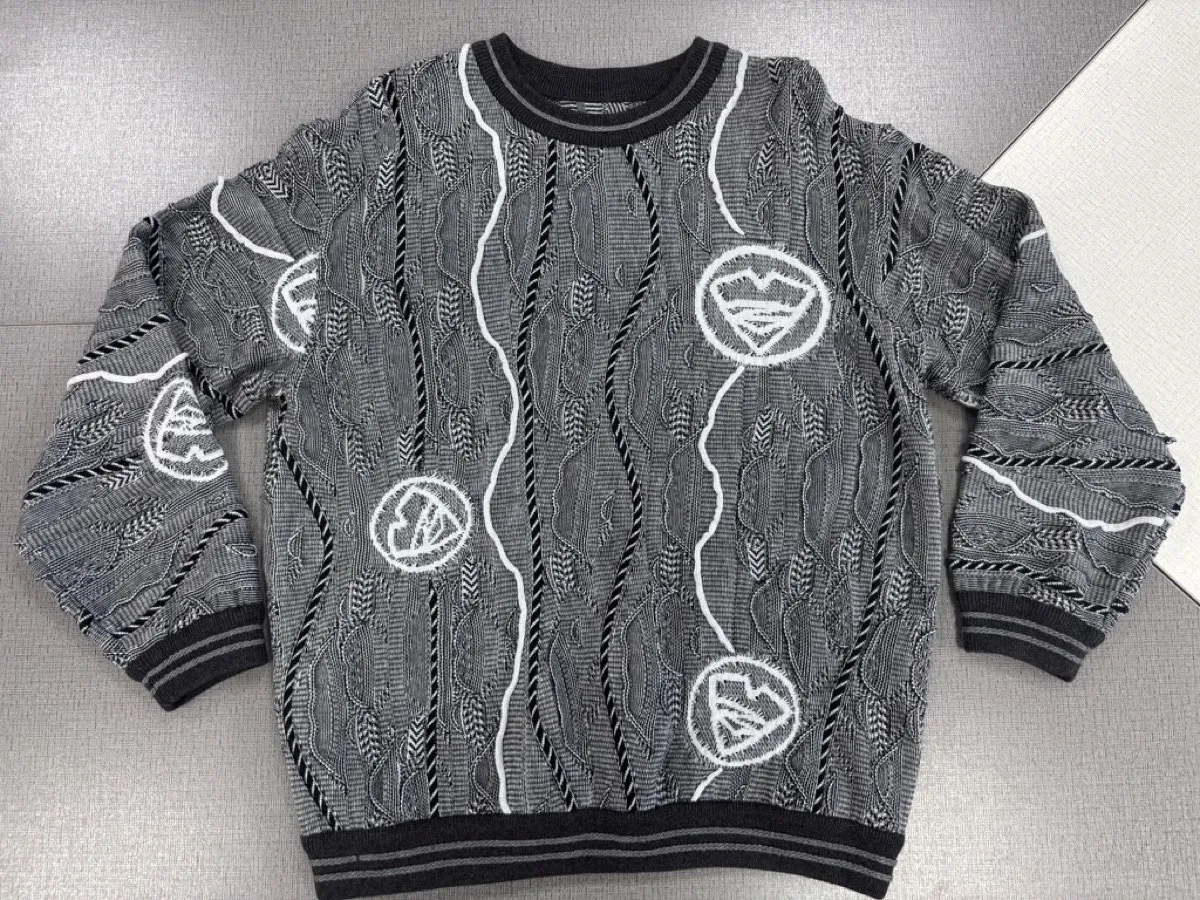
Factory A read your spec and sent back a list of problems.
The sleeve is too long. The neckline is too wide. The raglan seam will not sit.
Factory B read the same spec and said it is fine.
You have to choose, and both of them sound like they know what they are doing.
Why the same number means two things
A measurement does not exist on its own. It exists inside a fit.
A shoulder width of a certain figure on a garment meant to sit close to the body is a different garment from the same figure on a dropped-shoulder piece. Both are correct measurements. They describe different clothes.
When one factory flags your sleeve as too long, it is measuring against the fit it usually produces. When the other says it is fine, it is measuring against a different one.
Neither is lying. Neither has told you which assumption it used.
That is the actual problem: a missing assumption, not a wrong number.
The argument cannot be settled on paper
You can exchange emails for two weeks and end exactly where you started.
Paper cannot resolve a fit question, because fit is a relationship between a set of numbers and a body, and the body is not on the page.
Every further email adds confidence without adding evidence.
Move the argument to the object
Two moves end this quickly.
First, ask both factories to state their fit assumption. Not the number — the assumption behind it. Is this a close fit, a regular fit, or a relaxed one? Which reference garment is this measurement derived from?
The moment both assumptions are on the table, half the disagreement disappears. You will often find they were solving two different problems.
Second, put the disagreement on a sample. Not to check the millimetres — a first sample is not precise and was never going to be. You are checking the block: how the shoulder sits, where the armhole lands, whether the proportion looks like what you pictured.
Then, before bulk, you lock the numbers on a pre-production sample. That one is measured with a tape and photographed against a rule, and it becomes the reference.
What not to do
Do not change the spec repeatedly while waiting for a physical sample.
Every revision you make on paper is a guess. If you make five, you have five guesses stacked, and nobody can tell which one caused the problem later.
Freeze the spec. Build the object. Then adjust.
What we do
When we flag a measurement, we say which fit it is being judged against and why it will cause a problem.
We do not ask you to change the spec before a sample exists. We build the first sample against your numbers, photograph it with a tape in frame, and show you what actually happened.
Then you decide what to change — with evidence rather than another opinion.
Related: Five Checks That Judge a Knitwear Sample · Stop Revising With Words · Custom Christmas Sweaters