Five Checks That Judge a Knitwear Sample Without an Expert
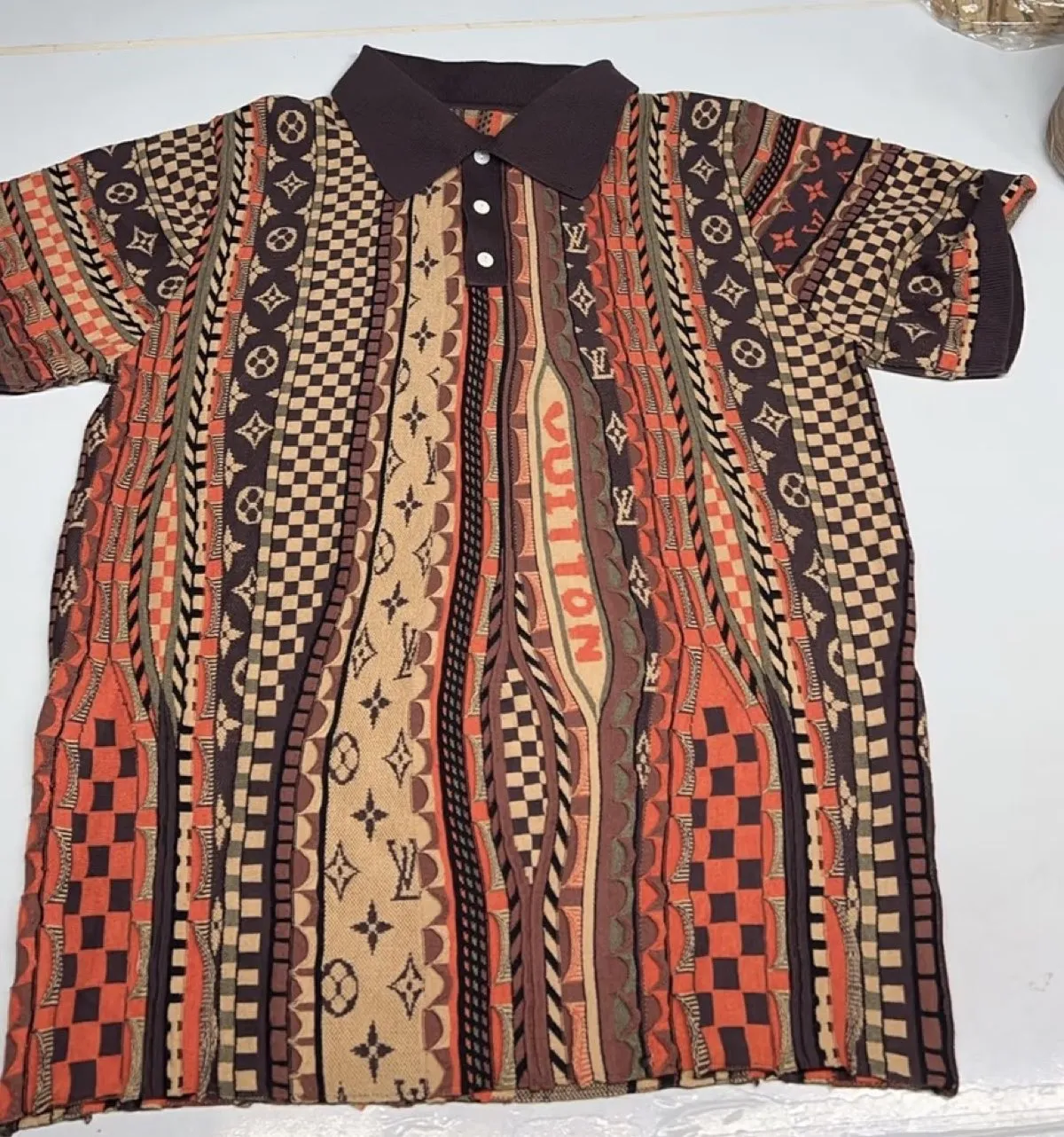
The sample arrived.
It looks fine. You are not sure what "fine" means here, and you are being asked to approve a bulk run on the strength of it.
Most people judge a sample by looking at the front and the overall impression. Almost every defect lives somewhere else.
Check one: hold it to the light
Put the garment between you and a window.
What you are looking for is evenness. Holes in the knit should be the same size across the whole panel. If one area is visibly more open than another, the machine dropped tension or the yarn feeder ran uneven.
Uneven density will not fix itself in bulk. It gets worse as the machine runs longer.
Check two: pull it sideways and let go
Stretch the body across its width, then release.
It should come back fully and quickly. A knit that stays stretched has lost elasticity — usually a yarn problem, sometimes a finishing problem. Either way, it will look tired after a month of wear.
While it is stretched, look at the colour edges. On a jacquard, the boundary between two colours should move with the knit. If it cracks or lifts, you are looking at an applied surface, not a knitted one.
Check three: turn it inside out
Now look at the inside of the garment. This is where the work is visible.
Look at three places: where the yarns join at a colour change, where the panels are linked at the shoulder and side, and where the ribbing meets the body.
Clean linking looks like a continuous chain of stitches. Sloppy linking looks like a lump, a gap, or a knot. Loose yarn ends should be trimmed and secured, not left hanging.
Check four: weigh it
Put it on a kitchen scale.
Yarn weight is one of the few things about a knit that is genuinely objective. A sweater that weighs less than the specification was made with less yarn, whatever the label says.
This is also the check that catches quiet substitution. Thinner yarn, fewer plies, a lighter blend — all of it shows up on the scale.
Check five: wash it once
This is the check almost nobody does, and it is the one that predicts the future.
Wash it the way your customer will. Dry it the way they will. Then look at three things: has it shrunk, has it pilled, has any colour run.
A sample that fails after one domestic wash was never going to survive a season.
What to do with the result
If all five pass, approve it and photograph everything. Those photos become the reference for the bulk run.
If one fails, name the failed check when you raise it. "The inside linking at the shoulder has a gap" gets fixed. "It doesn't feel right" gets you another round of guessing.
What we send with a sample
Every sample leaves with a self-check sheet: measured weight, yarn count, gauge, and the wash-test numbers including shrinkage and pilling.
You should not have to buy a scale and guess. You should be able to compare our numbers with the numbers you specified.
Related: Stop Revising With Words · How to Spec Thicker · Custom Knitwear